- August 28, 2025
- 210 Views
- 2 Likes
- RENEWABLE ENERGY
Unleashing the Sun: Solar Renewable Energy as Nigeria’s Best Hope for Rural Electrification in Rural communities and Beyond
For countless communities across Nigeria, particularly in rural areas like Yangoji(a rural area in FCT ), the persistent darkness of energy poverty remains a stifling reality. Limited grid infrastructure, high costs of expansion, and unreliable power supply hinder economic growth, access to education and healthcare, and overall quality of life. While various solutions have been explored, solar renewable energy stands out as the most viable, sustainable, and ultimately the best approach to decisively tackling rural electrification challenges in Nigeria.
Nigeria, blessed with abundant sunshine year-round, possesses a natural advantage in harnessing solar power. This inherent resource offers a pathway to energy independence for remote communities, bypassing the significant hurdles associated with extending the national grid. Unlike fossil fuel-based power generation, solar energy is clean, reducing harmful emissions and contributing to a healthier environment – a crucial consideration for the well-being of Yangoji Abaji and similar agrarian communities.
The economic benefits of solar rural electrification are multifaceted. Firstly, the cost of solar technology has decreased dramatically in recent years, making it increasingly competitive with traditional grid extensions, especially in sparsely populated areas where the cost per connection for grid infrastructure becomes prohibitive. For this rural communities, this translates to a more affordable and quicker route to accessing electricity.
Secondly, solar power fosters local economic development. The installation, maintenance, and even local assembly of solar systems can create new jobs and build technical skills within rural communities. Empowering local populations to own and manage their energy infrastructure fosters a sense of ownership and ensures long-term sustainability. Small businesses in this communities and towns , currently hampered by a lack of reliable power, can flourish with access to clean and affordable electricity, leading to increased productivity and income generation.
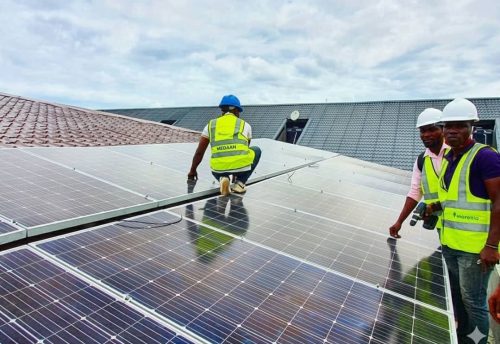
Furthermore, solar energy offers unparalleled flexibility and scalability, perfectly suited to the dispersed nature of many Nigerian rural settlements. Stand-alone solar home systems (SHS) can provide basic electricity needs for individual households in rural areas, powering lights, fans, and small appliances. For larger community needs, such as schools, health clinics, and agricultural processing centers, mini-grids powered by solar energy offer a robust and reliable solution. These mini-grids can be designed to scale as the energy demands of the community grow, providing a long-term pathway to comprehensive electrification.
The impact on social infrastructure in rural areas cannot be overstated. Access to electricity empowers educational institutions to extend learning hours and utilize digital resources. Healthcare facilities can operate essential medical equipment, preserve vaccines, and provide better patient care, even in the most remote locations. Improved lighting enhances safety and security within communities, fostering a more conducive environment for social interaction and development.
While challenges such as initial investment costs and the need for proper training and maintenance infrastructure exist, these are significantly outweighed by the long-term benefits of solar. Government support through policy frameworks, financial incentives, and streamlined regulatory processes is crucial to accelerate the adoption of solar energy in rural Nigeria. Partnerships with private sector actors and community-based organizations are also essential for successful implementation and long-term sustainability.
In conclusion, for communities like Yangoji and countless others across Nigeria grappling with energy poverty, solar renewable energy is not just an alternative; it is the optimal solution. Its abundance, decreasing costs, environmental friendliness, flexibility, and potential to empower local economies make it the most promising path towards achieving universal rural electrification. By embracing the power of the sun, Nigeria can finally illuminate its rural landscapes, unlocking the immense potential of its people and ushering in an era of sustainable development and prosperity for all