- November 10, 2025
- 213 Views
- 5 Likes
- RENEWABLE ENERGY
Powering Life: Renewable Energy as the Lifeline of Rural Healthcare in Nigeria
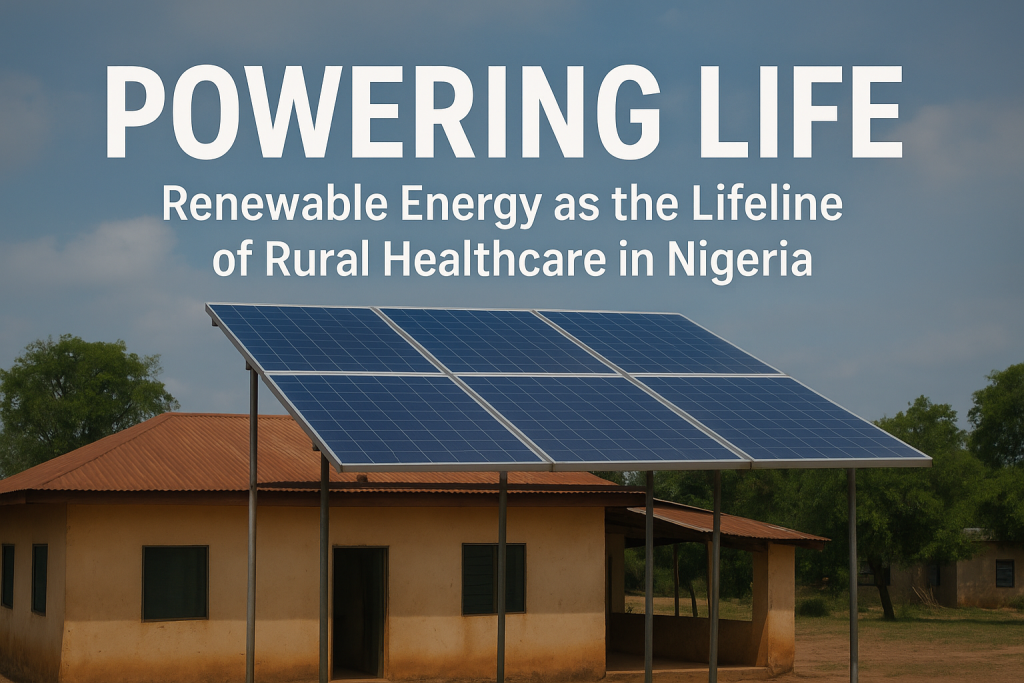
In Nigeria’s rural communities, where long distances and poor infrastructure separate millions from modern amenities, access to reliable electricity is more than a convenience — it’s a matter of life and death. Every night, health workers deliver babies by torchlight, vaccines spoil in powerless refrigerators, and vital medical equipment lies silent.
Yet, a quiet transformation is underway. Across villages and remote settlements, renewable energy — especially solar power — is emerging as the lifeline of rural healthcare.
The Power Gap in Healthcare
More than 60% of Nigeria’s primary healthcare centers lack reliable electricity, according to national surveys. Many rely on petrol or diesel generators, which are expensive, noisy, and prone to breakdowns. In some facilities, a few hours of power a day is all they get — severely limiting the ability to refrigerate medicines, operate at night, or use diagnostic tools.
The consequences are devastating. Vaccines lose potency. Emergency surgeries are delayed. Babies are born in the dark. And for communities already facing economic hardship, poor energy access translates directly into poorer health outcomes.
Solar Energy: A Ray of Hope
Solar power offers a practical, sustainable solution to this crisis. With Nigeria’s abundant sunshine — averaging over 300 days of sunlight each year — solar systems can provide consistent, renewable electricity for rural health centers.
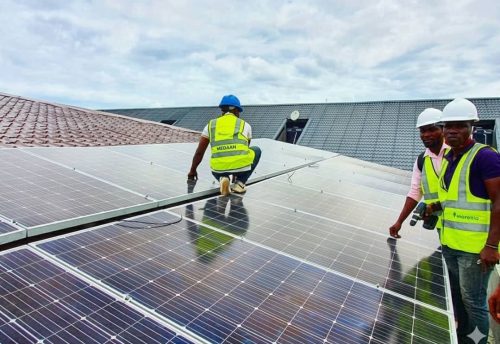
Through innovative programs supported by the Federal Ministry of Health, REA (Rural Electrification Agency), and partners like the World Bank, USAID, and the Global Alliance for Vaccines and Immunization (Gavi), solar mini-grids and standalone solar systems are now illuminating hundreds of rural clinics.
Real Impact, Real Lives
At a solar-powered clinic in Kaduna State, vaccine refrigerators now stay cold around the clock. In Edo, nurses no longer rely on kerosene lamps during childbirth. In Borno, solar energy keeps lifesaving equipment running amid security challenges.
Each installation means more than electricity — it means reliable maternal care, safe blood storage, functional laboratories, and operational digital health systems.
A nurse in Nasarawa summed it up best:
“When the lights came on, everything changed — not just for us, but for the whole community.”
Economic and Environmental Dividends
Renewable energy also eases financial pressure. Clinics powered by solar save thousands of naira monthly on fuel and maintenance, funds that can instead support medicine, staff, and community outreach.
Environmentally, solar energy reduces emissions and pollution, creating cleaner and safer surroundings — especially for vulnerable children and pregnant women.
Building the Future of Health Access
The Nigerian government’s Energy for Health Initiative aims to electrify hundreds more facilities in the coming years. Private firms and NGOs are also stepping in, recognizing that health electrification is not just a humanitarian effort — it’s a smart investment in human capital.
As technology costs fall and partnerships grow, renewable energy is becoming the backbone of healthcare delivery in underserved regions.
Conclusion: A Healthier, Brighter Nigeria
Renewable energy is not merely powering hospitals — it’s powering life. Each solar panel installed on a clinic rooftop brings light to labor rooms, keeps vaccines viable, and ensures that healthcare workers can perform their duties with dignity and efficiency.
In the villages once forgotten by the national grid, the sun is now saving lives. The story of rural healthcare in Nigeria is being rewritten — one solar watt at a time.